forum
library
tutorial
contact

Remove Lower Snake River Dams
by Scott LevyIdaho Statesman, June 22, 2025
|
the film forum library tutorial contact |
|
Remove Lower Snake River Damsby Scott LevyIdaho Statesman, June 22, 2025 |
 To Donald Trump shooting across my bow: "Stopping Radical Environmentalism to generate power for the Columbia River Basin" (presidential memorandum of June 12).
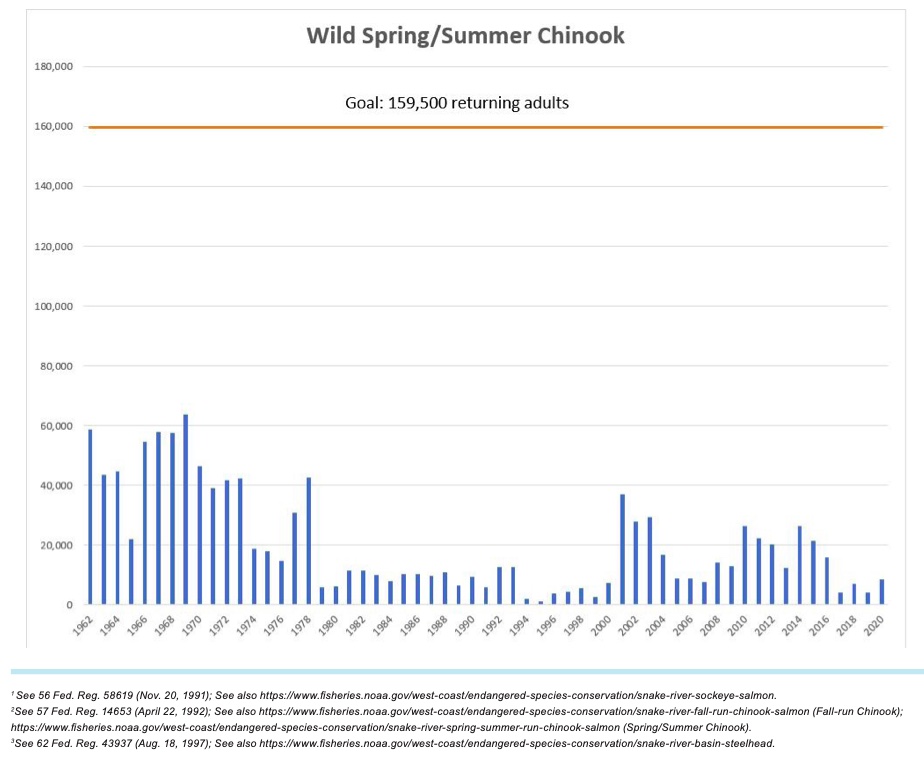
So what you are saying, sir, is that we should allow Southern Resident Orcas to starve into "bright extinction," allow the extinction of Idaho's Salmon and Steelhead (once among the largest runs in the world), collapse an ecosystem, starve Idaho's Salmon River forests of marine nutrients and thereby lose natural carbon sequestration equivalent of about 90 million metric tons per year, so data centers can locate in the Pacific Northwest.
I say: "Let them locate data centers elsewhere. Stupid is what stupid does."
Spokesman- Review June 29, 2025
End oil and gas subsidies
Idaho Sens. Mike Crapo and James Risch face an important decision regarding Idaho's energy future in the budget reconciliation bill.
Idaho is blessed with abundant clean energy sources, including solar, wind, hydro, geothermal and nuclear. It's time for these resources to continue to get the same tax incentives that for decades have gone to oil and gas. Current tax credits encourage use of clean sources, which provide us with energy independence, lower energy prices, job growth, and cleaner air and water.
But if our senators vote for the budget reconciliation bill as passed by the House, Idaho will lose those advantages just as our energy needs are increasing due to rising summer temperatures and the growth of AI and new local data centers. Prices will surely rise as electricity demand exceeds supply.
By voting to keep current tax credits that encourage use of Idaho's native clean energy sources, our senators will be choosing the advantages that come from energy independence and a better energy future for Idaho. If these issues matter to you, call or write Crapo and Risch as soon as possible, and ask them to preserve current clean energy tax credits. Our wallets, jobs and health will benefit!
Lisa Hecht, Boise
On Trump Administration Withdrawal from
Resilient Columbia Basin AgreementThe need for salmon recovery hasn't gone away with the president's
executive order, but neither has our resolve--it has only strengthened.We are dismayed that an agreement that was among the best roadmaps charted for helping Columbia Basin salmon -- representing years of work by tribes, states, and the federal government -- was undone with the stroke of a pen. This action, done without consultation with the tribes, dismantles what should have been celebrated as a historic achievement. If you love salmon, steelhead, sturgeon, and lamprey, the Resilient Columbia Basin Agreement was a groundbreaking commitment that provided critical funding for tribal and other hatcheries, habitat restoration, predation management, infrastructure upgrades, and support for energy projects that would be less burdensome on the environment and tribal cultural resources.
The disregard shown to the countless hours of effort, meetings, and actions that went into this agreement is disappointing. Tribes opened our doors and our hearts, hosting federal officials along the Big River to show them in person why this work is critical. From the banks of the river to dinners in longhouses, we shared the needs for our fish, for our people, and the entire region from the Pacific Northwest to Southeast Alaska. We patiently explained why protecting and restoring salmon is not only a fundamental treaty obligation, but also a duty the federal government has to be a good steward to these resources for everyone.
Despite the administration's withdrawal, the partnership between our four tribes and the states of Oregon and Washington endures. We are still united in the cause of protecting salmon and rivers and there are many efforts and pledges between us that continue this vital work.
The need for salmon recovery hasn't gone away with the president's executive order, but neither has our resolve--it has only strengthened. Salmon recovery represents both economic opportunity and conservation success. Healthy salmon runs support commercial and recreational fishing industries that employ thousands of workers and generate millions in economic activity across rural communities. Restoring these fisheries strengthens local economies while honoring our nation's treaty commitments--promises made that must be kept. This work also demonstrates responsible resource management that benefits private landowners, farmers, businesses, and the residents of the Pacific Northwest who depend on clean water and healthy ecosystems.
Building on the foundation laid forth by our ancestors and our commitment to future generations will drive our work to protect salmon forever. Moving forward, we seek bipartisan leadership and collaboration with lawmakers from both parties who understand that protecting salmon means protecting jobs, honoring America's word, and ensuring our children inherit the natural heritage that defines the Pacific Northwest. Working in unity, support, and collaboration, we will continue to advocate for the salmon and the rivers where we live.
-- Chair Jeremy Takala, Chair of Columbia River Inter-Tribal Fish Commission June 12, 2025
learn more on topics covered in the film
see the video
read the script
learn the songs
discussion forum